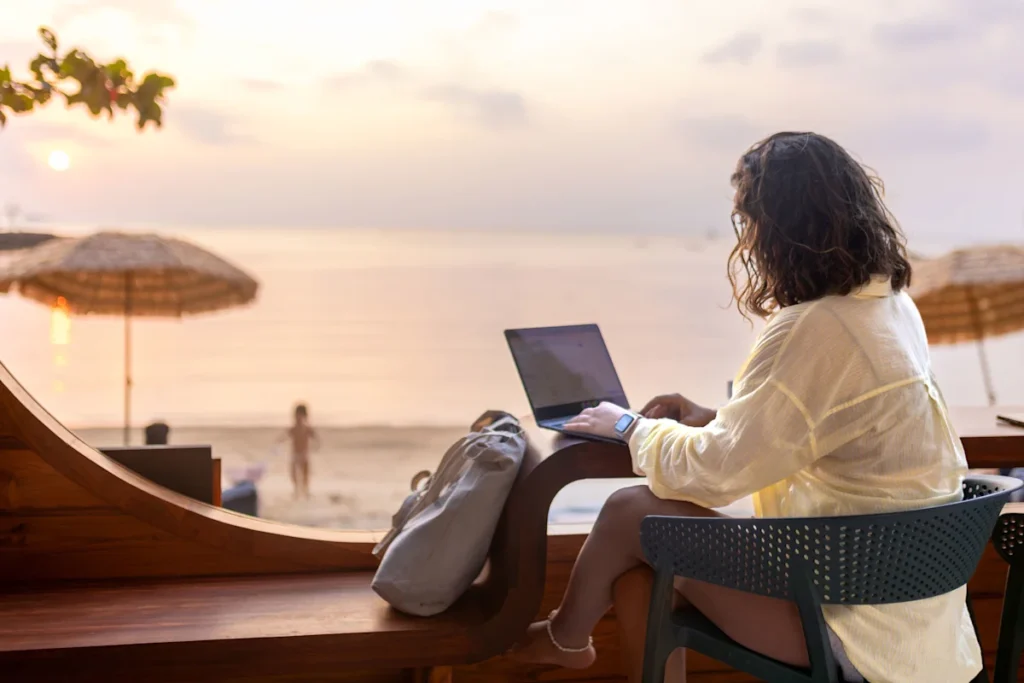
Ever dreamed of grabbing your laptop and working from a different country? Today, more than 20 million U.S. citizens are “digital nomads,” a number that has nearly tripled since 2019, due in no small part to the pandemic.
The digital nomad lifestyle may appeal to people who dream of experiencing life in another country without abandoning their jobs. And, thanks to vacation rental companies, finding a place to live that’s outfitted with all the amenities of home can be as easy as a click.
But not every country is equally welcoming to digital nomads. There are visa rules, income requirements and even connectivity issues to consider. Certain countries, however, check more than one box for aspiring digital nomads, making it easier to embrace a remote work lifestyle — perhaps one complete with fabulous weather, gorgeous beaches and a lower cost of living.
Advertisement
Advertisement
We combed through multiple reports to identify countries with visa and residence rules that can accommodate international remote workers, those with reasonable income requirements and even countries that generally have a more affordable cost of living. Here are seven worth exploring.
Georgia
Georgia, a country at the intersection of Eastern Europe and Western Asia, is known for its excellent hiking and wine. And for travelers relocating from the U.S., it generally has a lower cost of living. U.S. citizens can stay in Georgia for up to a year without a visa and can work remotely for a foreign company. To extend the stay by another year, travelers can leave and re-enter Georgia, though re-entry is subject to the border official’s discretion.
South Africa
South Africa’s remote work visitor visa allows digital nomads to stay in the country for up to three years, provided they have a contract with an employer outside of South Africa and can meet the income requirement. English is one of the official languages spoken here, which can make the move easier for English-speaking U.S. residents. Cape Town, in particular, has a significant nomad network — not to mention beaches and a great food scene for when you’re off the clock.
Malaysia
Malaysia offers a “nomad pass” for remote workers that is valid for three to 12 months, and can be extended by an additional 12 months, provided you meet the minimum income requirements, which vary by profession. This multicultural country in Southeast Asia (particularly its bustling capital city, Kuala Lumpur) is quite popular among digital nomads from the U.S., in part because English is widely spoken.
Portugal
Those who want to pursue the digital nomad lifestyle here can apply for a long-term digital nomad visa, which can be extended and offers a path to citizenship. There’s also a temporary visa option for stays under one year.
Advertisement
Advertisement
The popularity of Portugal among expats and digital nomads has been linked to rising housing costs, making the country less financially favorable than it once was. (And, as with Spain, many Portuguese residents aren’t so happy about the influx.) But for a more permanent home base in Europe, it may still offer one of the better values.
Thailand
With its cosmopolitan cities like Bangkok and Chiang Mai and beautiful islands, it’s no surprise Thailand attracts travelers from around the world — including those who want to stick around for a while. Eligible remote workers and freelancers can apply for Thailand’s five-year Destination Thailand Visa; just note that the stay is split into 180-day segments.
Spain
Freelancers, or people employed by companies outside Spain, can apply for a digital nomad visa provided they earn at least twice the Spanish minimum wage and are working for employers outside Spain. This visa is valid for up to one year, though you may be granted a three-year residence permit that can later be extended for another two years. Spouses and children can also accompany, which may make it more appealing to families.
While there is a large expat community in Spain, many locals in cities like Barcelona have protested against overtourism and, in some cases, digital nomads, claiming both are driving up the cost of living.
Mexico
Mexico shares several time zones with the U.S., making it particularly easy for digital nomads with jobs based in the U.S. to work remotely. With options to live in either a beach town like Playa del Carmen or cosmopolitan Mexico City, all with a lower cost of living, there’s a lot about the country that’s appealing. You can live in Mexico through its temporary resident visa program, which allows you to stay for more than 180 days and up to four years, provided you can prove you’re financially stable.